 livecvv
Understanding Non VBV Debit BINs 2026
In the landscape of digital payments, the term “Non-VBV debit BINs” often arises, especially in discussions about card security and transaction processing. This text explores what non-VBV debit BINs are, why they matter, and how they fit into the broader system of payment card verification—presented in a clear, accessible manner for readers who seek to deepen their understanding of modern payment security.
What Are Debit BINs and VBV?
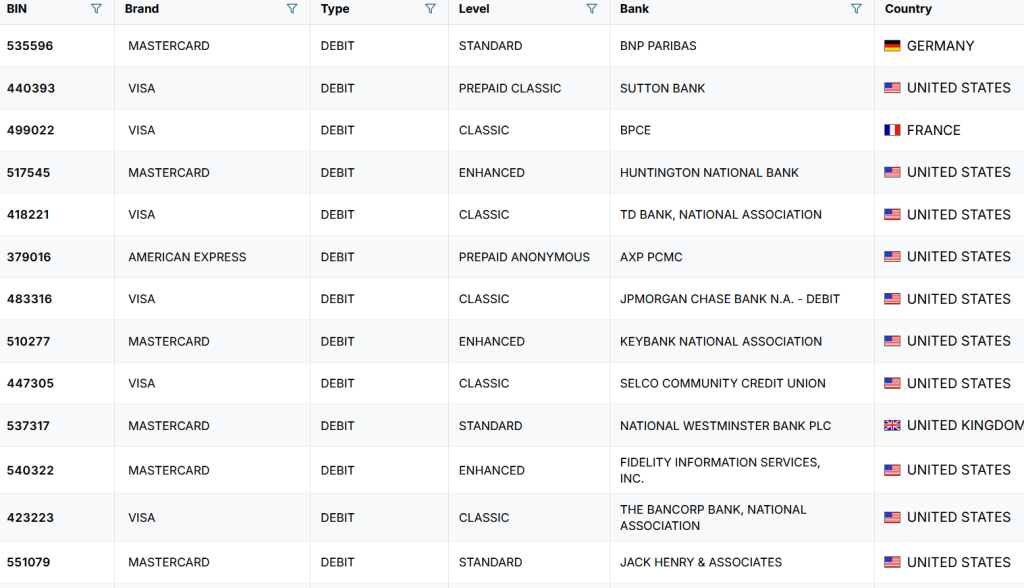
At the core, a BIN—or Bank Identification Number—is a series of digits that appear at the beginning of a payment card number. It identifies the issuing bank and the type of card, such as debit or credit, helping systems route transactions correctly. When it comes to debit cards, these BINs tell merchants and payment processors which bank issued the card, enabling quick authorization.read about emv software
“VBV” refers to Verified by Visa, a security protocol designed to protect online Visa card transactions. This protocol adds an extra step of authentication during online purchases, requiring customers to confirm their identity, often through a password or a one-time code. Cards that participate in VBV offer enhanced security, making unauthorized use more difficult.
What Does “Non VBV Debit BINs” Mean?
Simply put, non-VBV debit BINs belong to debit cards that are not enrolled in the Verified by Visa program (or its equivalents, like Mastercard SecureCode). This means these cards do not prompt for additional verification when used online. While it might sound convenient, this absence of an extra authentication layer can lead to greater risk of fraud if card details are compromised.
Non-VBV debit cards still follow standard security measures, such as CVV codes and 3D Secure protocols that some banks might implement differently. Yet, without VBV, the “liability shift” and extra security features that protect both consumers and merchants are less robust.
Why Is This Important?
For merchants and consumers alike, understanding whether a card is VBV-enabled impacts risk management. Merchants may face higher chargeback rates and fraud losses if they process many transactions from non-VBV debit cards, especially in e-commerce environments. On the consumer side, using a card without VBV means transactions are more vulnerable if card data leaks.
Furthermore, some regions and banks prioritize VBV enrollment, while others do not, influencing global patterns in card security.
Conclusion
Non-VBV debit BINs reflect a class of payment cards that do not participate in the Verified by Visa security system. While these cards function seamlessly for many transactions, the lack of additional authentication layers exposes both consumers and merchants to increased risk in online environments. As digital payments continue to evolve, innovations in security protocols like VBV remain crucial to safeguarding financial data and fostering trust. Awareness of such features empowers users and businesses to make informed choices in the dynamic world of e-commerce.


1 thought on “Understanding Non VBV Debit BINs 2026”